
Article: The Office Is Eating Its Own Dress Code
The Office Is Eating Its Own Dress Code
Business casual has been dying for so long that no one seems to notice it is finally, actually, dead. Some men are still dressing for the corpse — Dockers, an untucked button-down, the loafer that has forgotten what a shoe is — but the corpse has been in the ground for a while now, and the rest of us have quietly moved on to something more interesting.
What has moved on is not the arrival of a new dress code. There isn't one, and there isn't going to be one, and this is the whole point.
For four decades, business casual was doing invisible work. It was, essentially, an infrastructure for decisions the wearer did not want to make. You knew what to put on because everyone knew what to put on. The uniform was slightly boring — khakis, chambray, a navy blazer if things got serious — but it removed the entire class of morning problems that men have historically been bad at solving. You did not have to have taste. You had to have Dockers.
The pandemic broke this and no one has quite figured out how to explain what took its place. For a year we all wore fleece. For another year we wore fleece and pretended we didn't. Then people came back to offices, in variable proportions, and the dress code splintered. Some offices went entirely casual and the boss started wearing a hoodie, which is fine on a founder in his twenties and vaguely uncomfortable on a fifty-year-old head of operations. Some offices formalized — the suit came back to Midtown finance in a way that would have surprised anyone predicting its extinction. Most offices ended up somewhere in the confused middle, which is where most men now spend their weekdays and where the most interesting thing is quietly happening.
The interesting thing is that the men who now look best in the office are dressing more formally than they did in 2019, not less. This has surprised everyone including them.
Here is the mechanism. When the code was in place, the code did the work. The suit-and-tie era of 1962 — which we are romanticizing again, correctly — worked not because the suit was beautiful, though it often was, but because the suit was decided. You didn't have to figure out how much to signal. You had to knot a tie. When business casual replaced that, the code got softer but was still a code — enough of one that most men could half-follow it and be fine. When the code went away entirely, the decision came back to the wearer, and it turns out that most men, after twenty years of not needing to have taste, have not, in fact, developed any. So the office in 2026 is a landscape of dress mistakes made by men who don't have a code to fall back on, and it is, as landscapes go, kind of a lot.
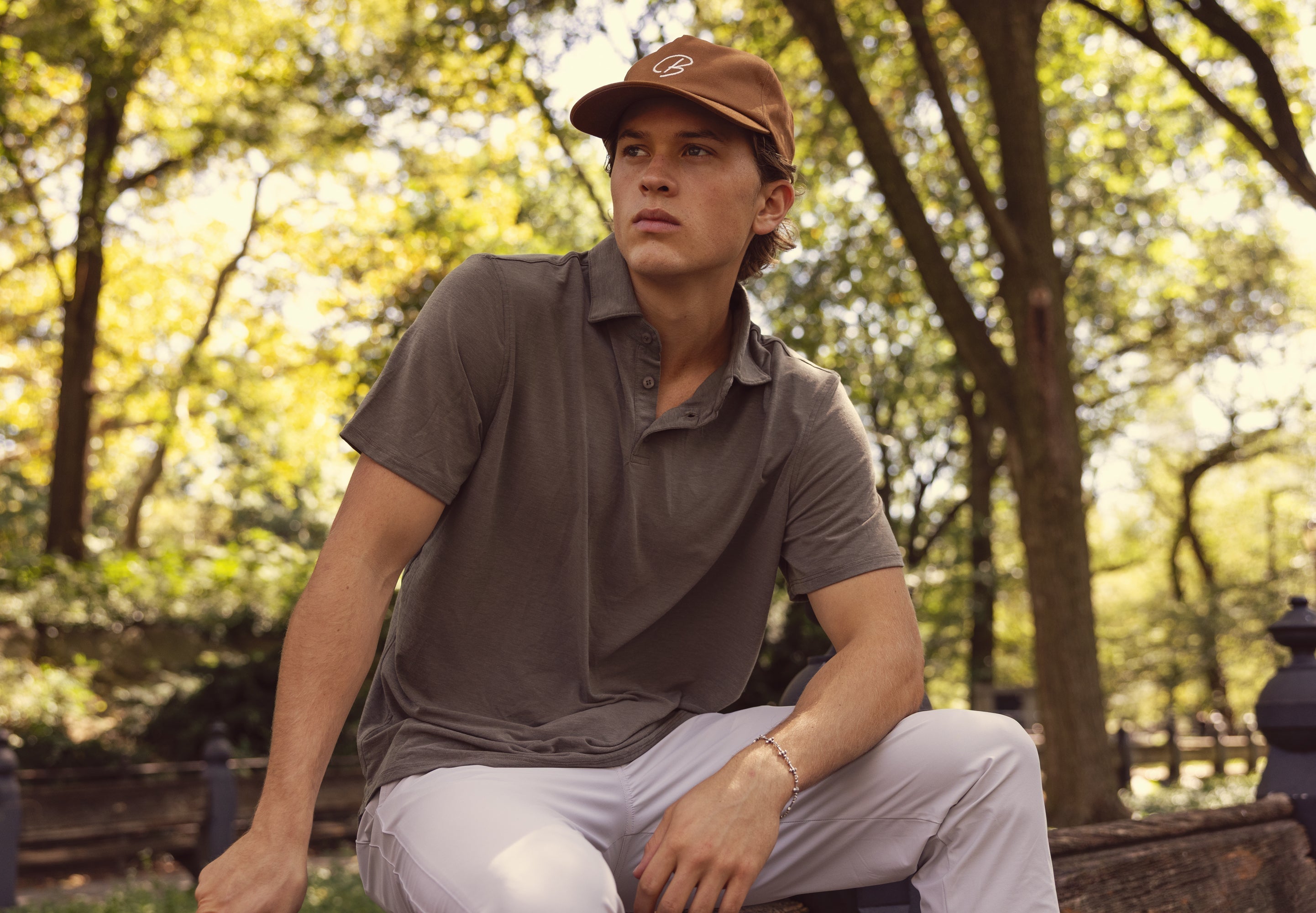
The exceptions are the men who noticed the pattern early and simply started dressing better. Not more formal in the punitive sense — no one is wearing a three-piece suit to a Zoom call — but more considered. A sport coat over a knit polo. A well-cut trouser instead of chinos. A loafer that has been polished. A shirt that fits at the shoulder, not the ninth-decile shoulder of a broadly sized off-the-rack. These men are not overdressed. They are, in the current landscape, correctly dressed, and everyone in the room can tell, because the code that used to hide the difference is gone.
There is a small historical rhyme worth noting here. The most-photographed era of the American office — the Madison Avenue mid-century, all Slim Aarons and Don Draper and Life magazine — did not look good because of any specific garment. It looked good because everyone was operating inside the same tight code, which meant the differences between men within the code became visible. You could see the well-cut lapel because everyone had a lapel. You could see the good tie because everyone had a tie. Take away the code and the small differences disappear too — everyone is now noise on a slightly different frequency. Put the code back, or better, put yourself inside a personal code that acts like the old one, and the visibility returns.
The move, then, for the man who wants to look good at the office in 2026, is not to wait for a new dress code to arrive. It won't. The move is to decide on a personal one and hold to it. Two blazers. Four trousers. Two pairs of loafers. A rotation of five knits and three shirts. A single watch. The Steve Jobs black-turtleneck logic, applied more elegantly. You are not going to be the most casually dressed man in the room, which is fine, because the most casually dressed man in the room is, statistically, the one who has clearly not gotten dressed at all.
The office is eating its dress code. What comes back for the men who notice is not another code but a decision — made once, held long, and quietly worth more than any set of rules ever was.